March 2020
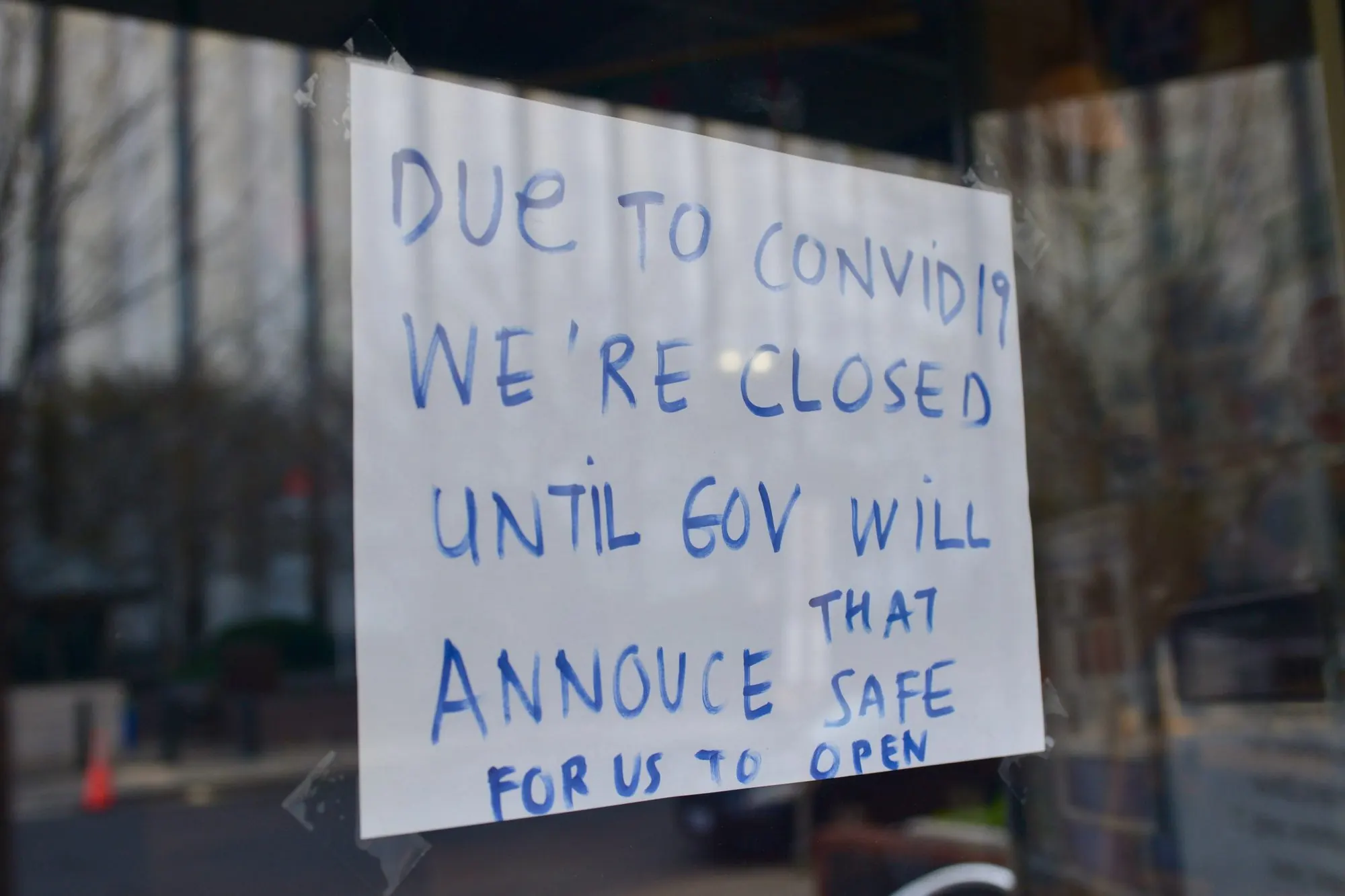
The doors closed
Handwritten notices appeared overnight. Businesses, schools, and ordinary routines stopped without anyone knowing when—or whether—they would return.
A feature documentary · in production
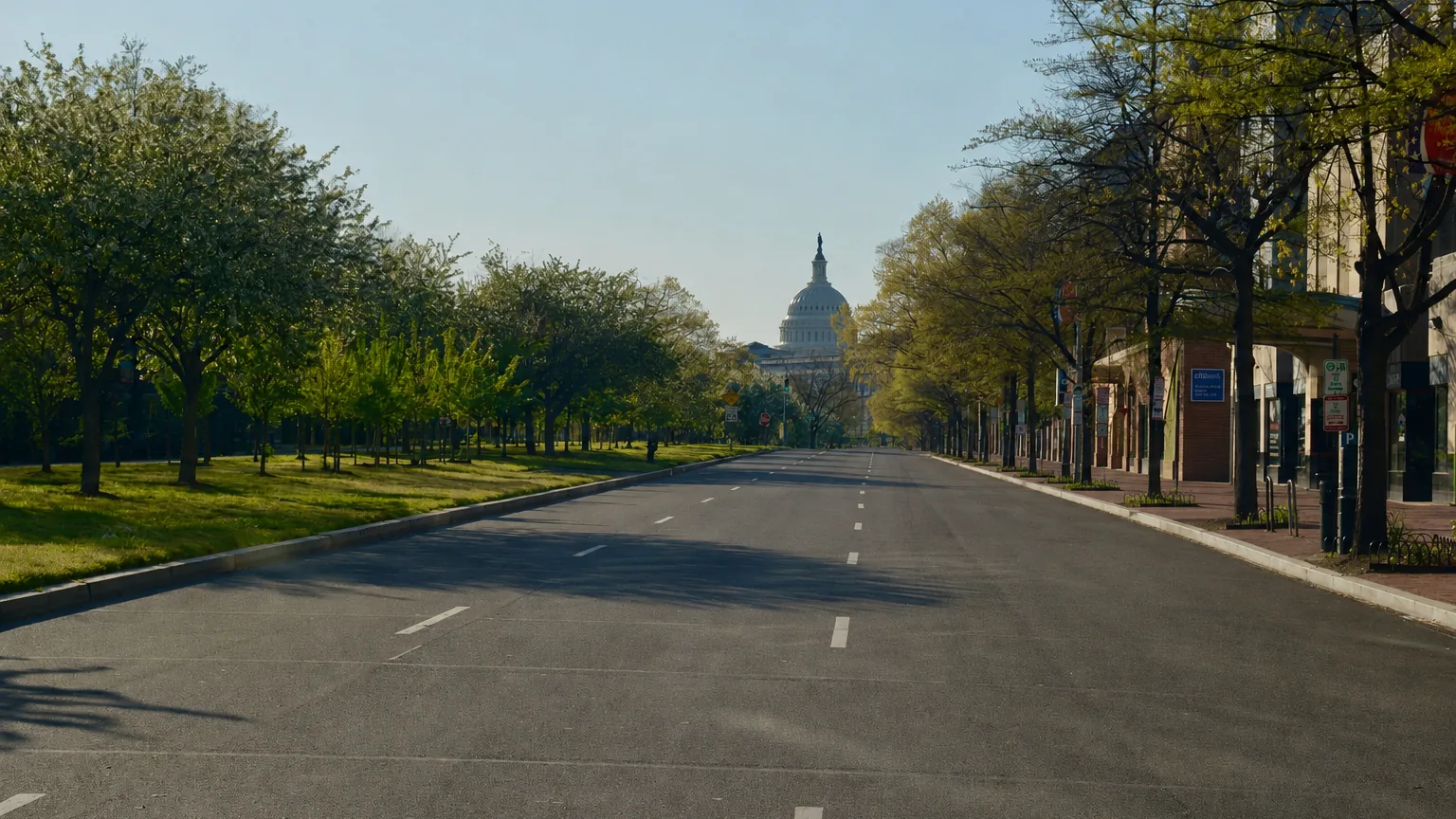
One city. Three neighborhoods. Many versions of the same year.
Previously developed and submitted for funding under the working title Voices of Resilience.
The film
In 2020, two filmmakers began recording their neighbors—and didn’t stop for a year.
The Year We Held Our Breath tells the story of the pandemic, the protests, the election, and January 6th entirely through the voices of the people who lived them.
Synopsis
In March 2020, producer Eileen Cleary Dougherty started recording what was happening outside her front door on Capitol Hill. Working with director of photography Paul Dougherty, she recorded nearly fifty conversations across Anacostia, Capitol Hill, and the H Street Corridor while the year was still happening and nobody knew how it would end.
What they captured was not a single story. It was a chorus: nurses, restaurant owners, activists, volunteers. Each was living through the same history from a radically different vantage point.
The film has no narrator. It is built as a two-clock story—the real-time 2020 footage cut against the reckoning that came after.
The year, in sequence
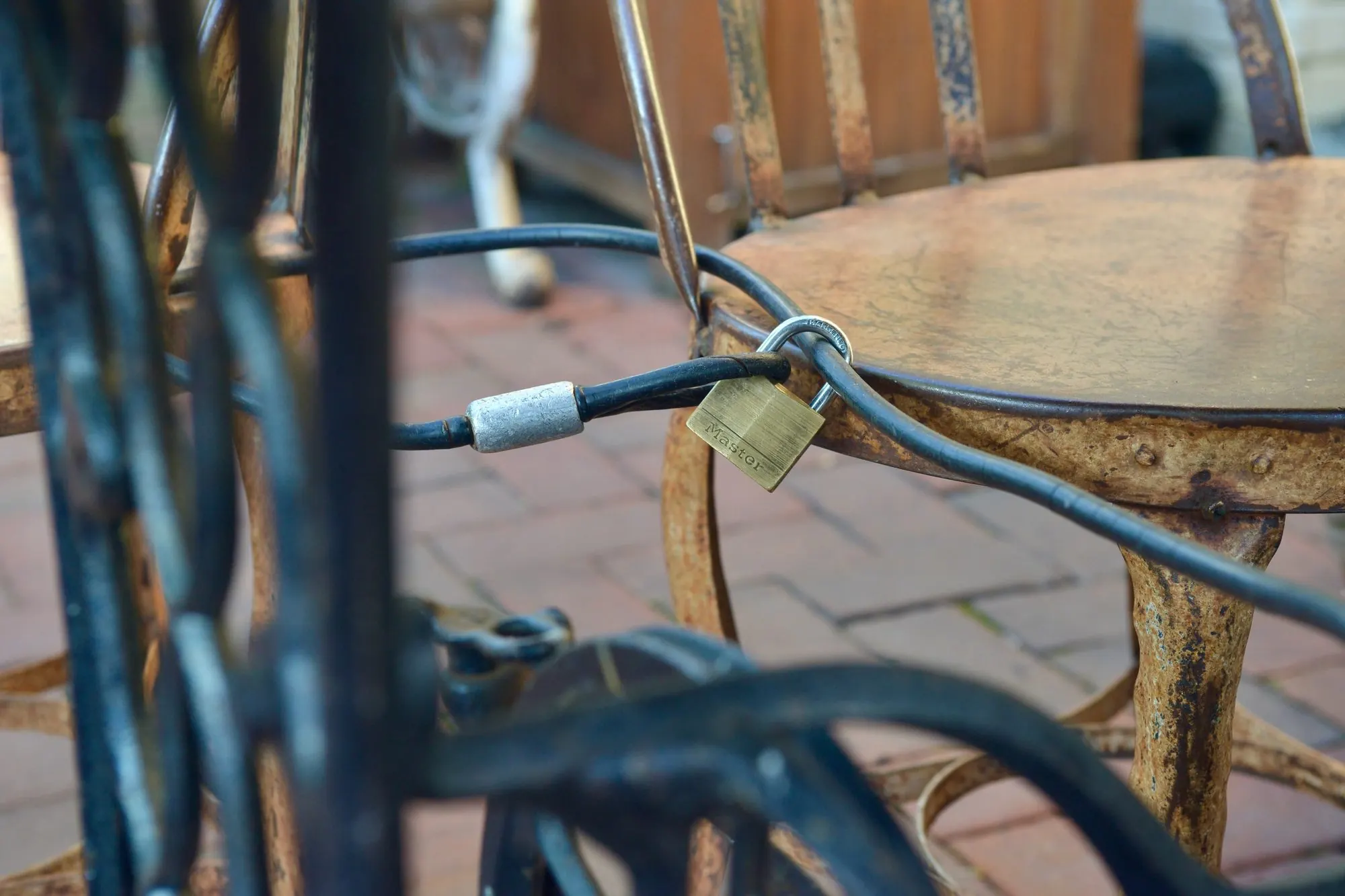
The archive follows events as they were experienced—not from a podium, but from shop windows, hospital stations, sidewalks, and front doors.
March 2020
Handwritten notices appeared overnight. Businesses, schools, and ordinary routines stopped without anyone knowing when—or whether—they would return.
Spring 2020
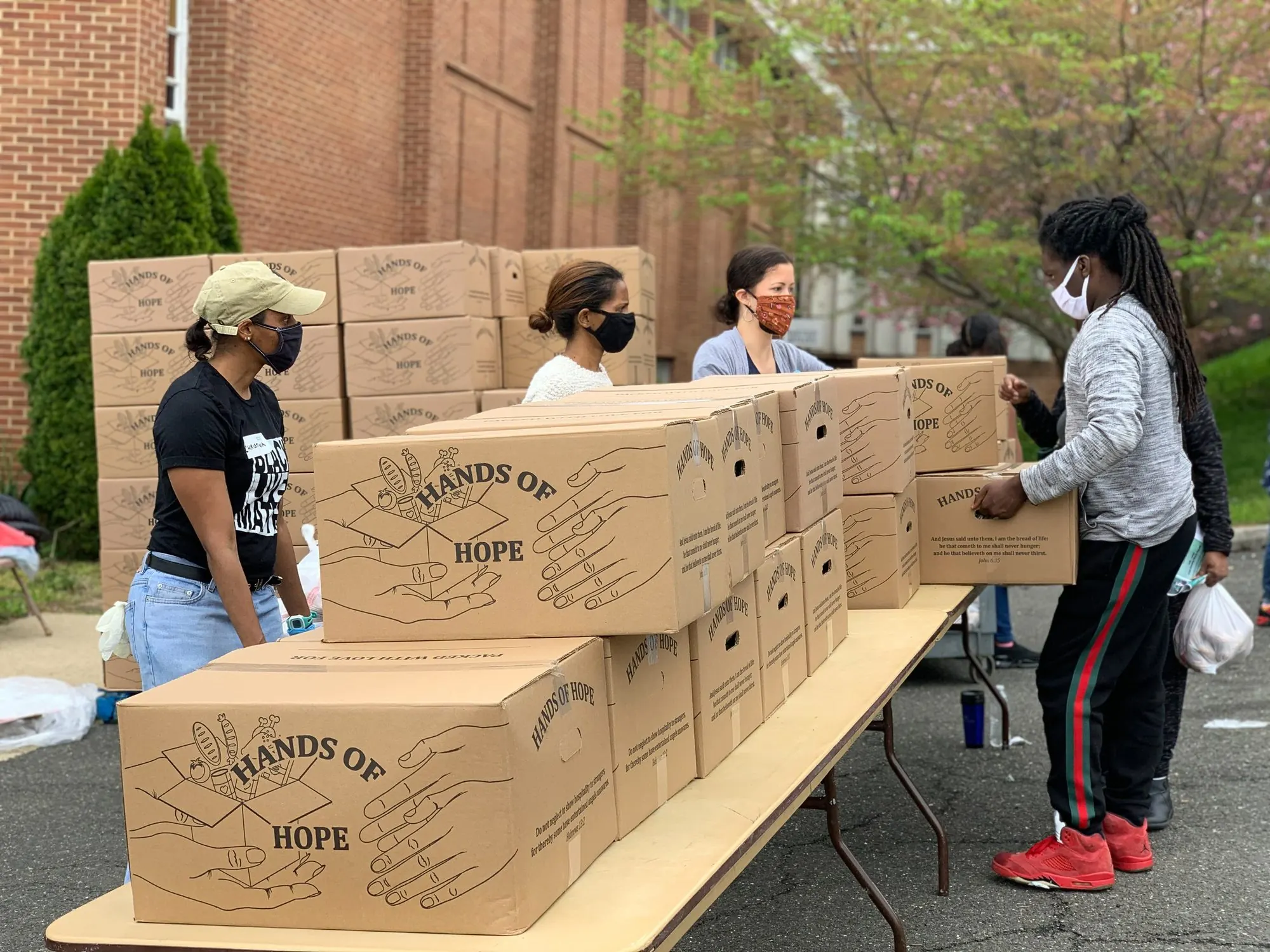
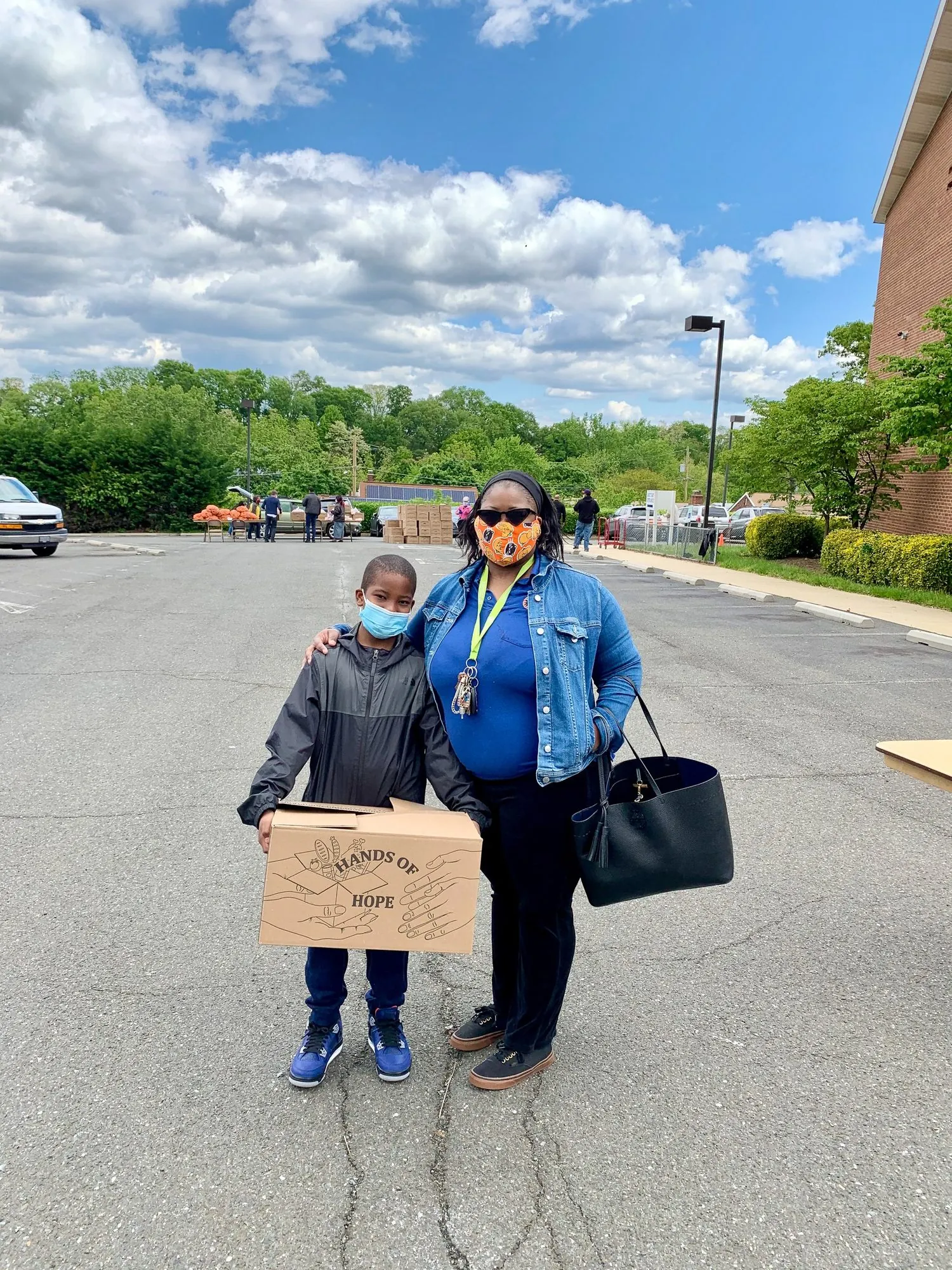
Across the city, volunteers built systems of care in parking lots and churchyards, packing groceries and passing them hand to hand.
Spring 2020
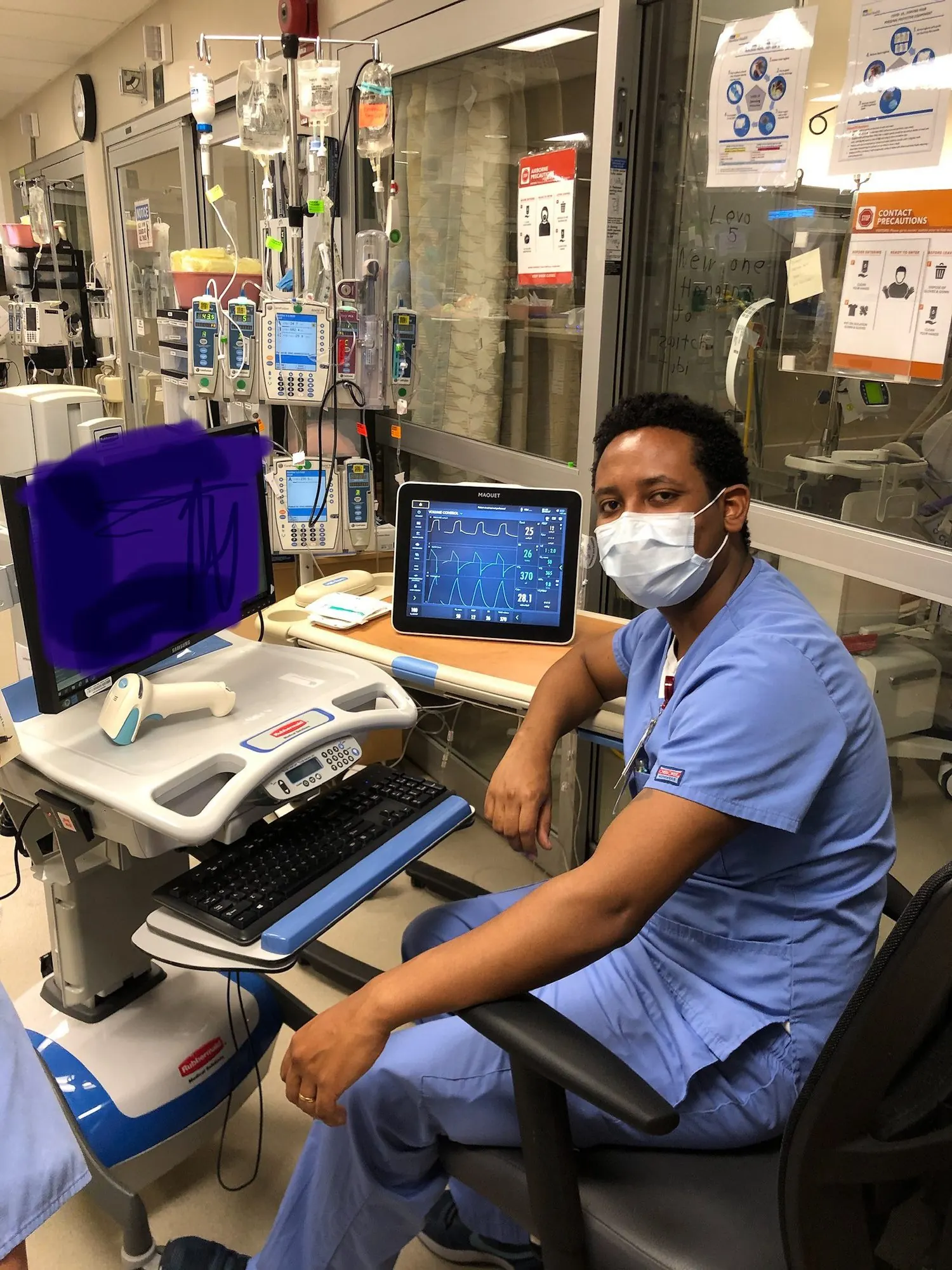
Inside hospitals, the crisis was intimate and relentless. Outside, every errand and encounter carried a new calculation of risk.
Summer 2020
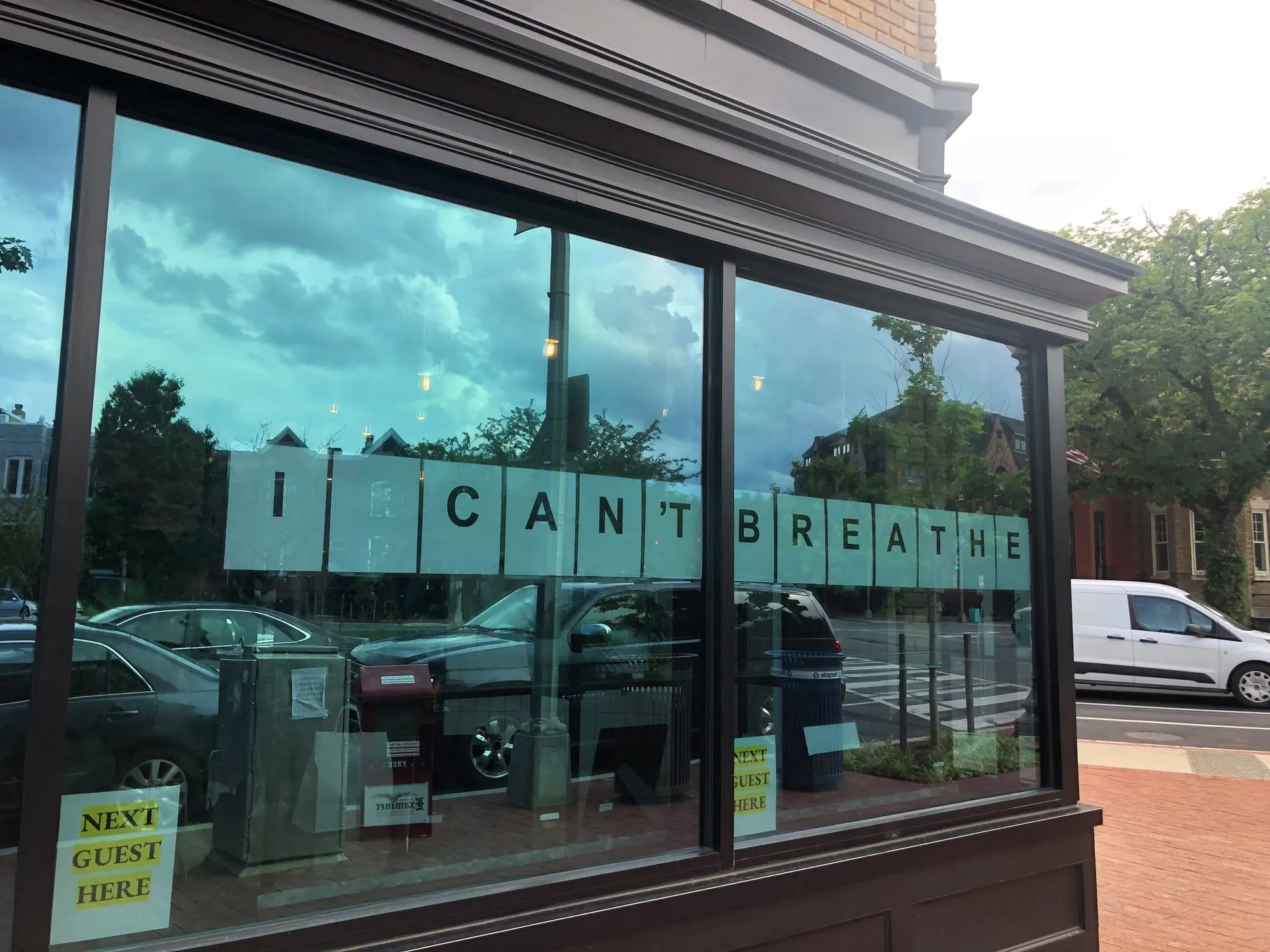
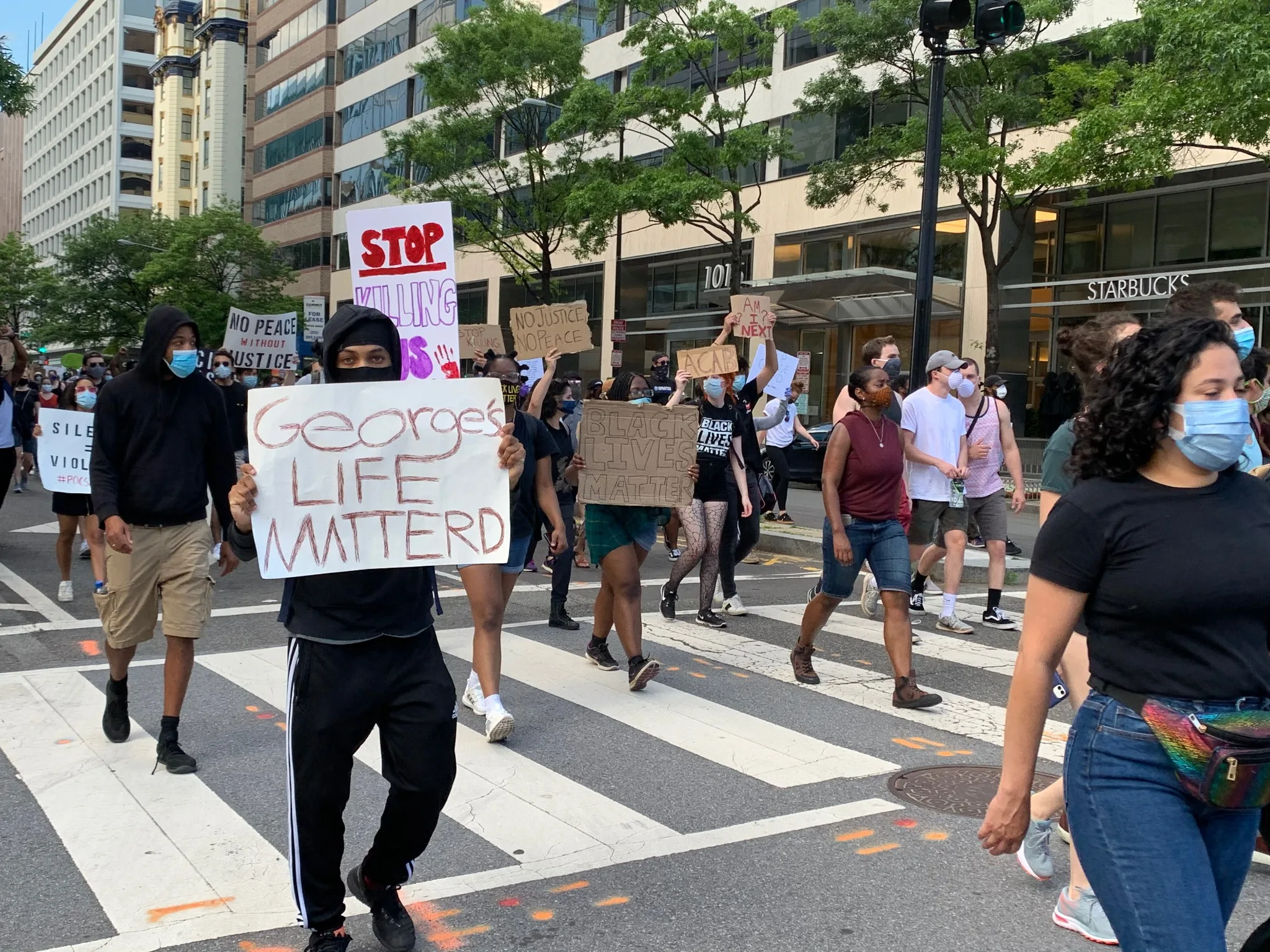
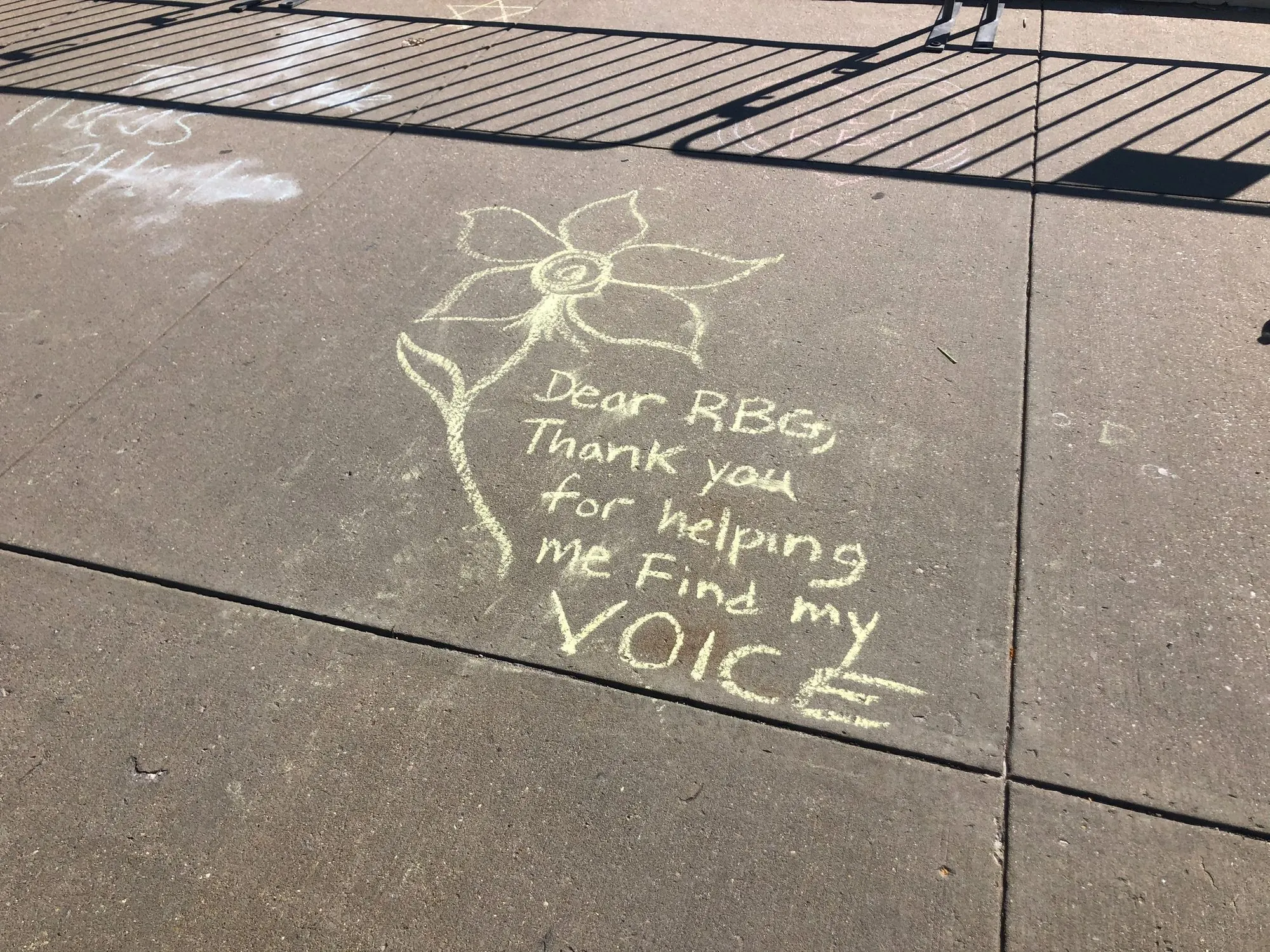
After months of isolation, Washington gathered in protest. The same words seen in a storefront window moved into the streets.
September 2020
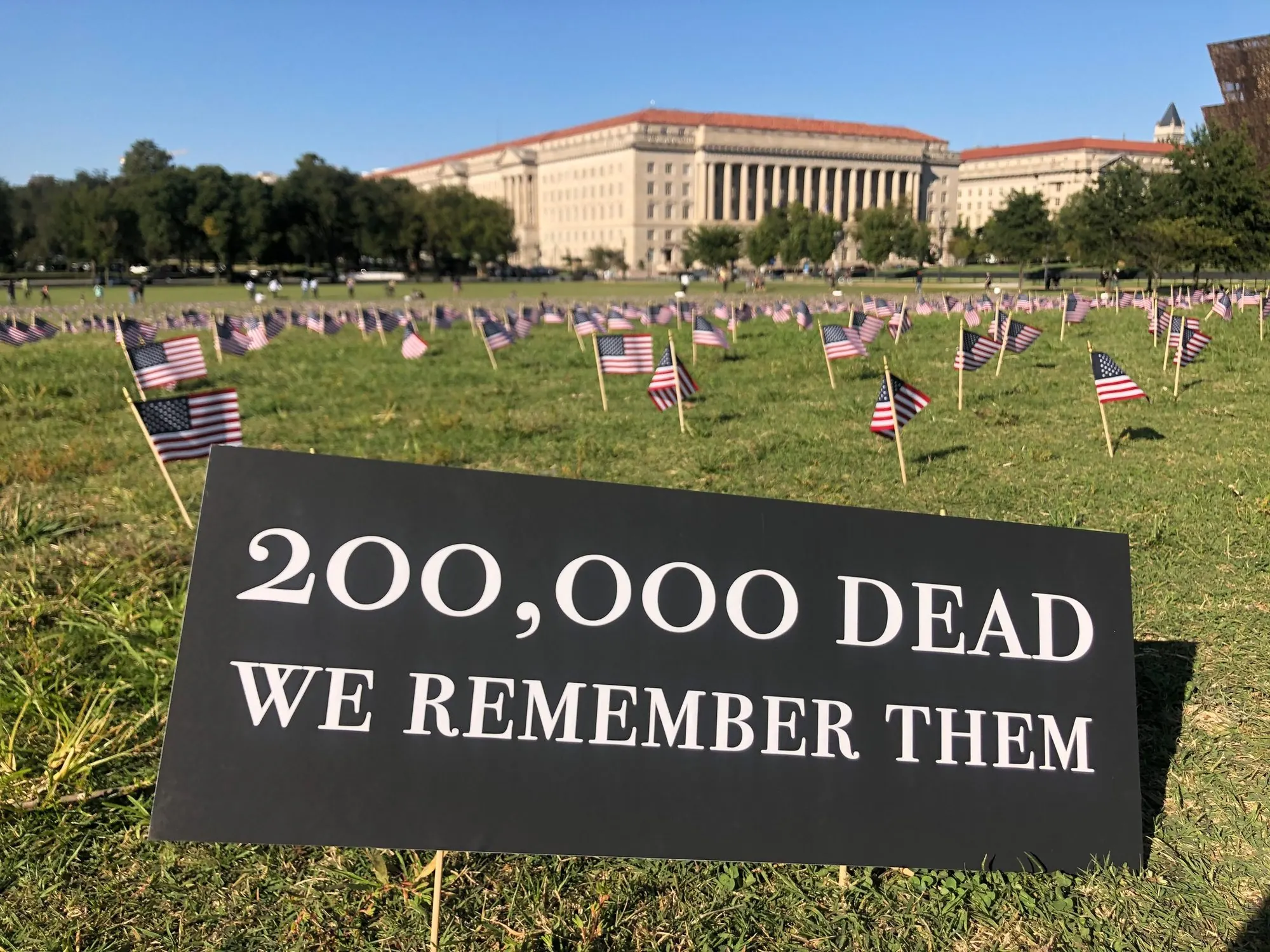
Flags on the National Mall turned an unimaginable number into a landscape—one marker for every life the country had already lost.
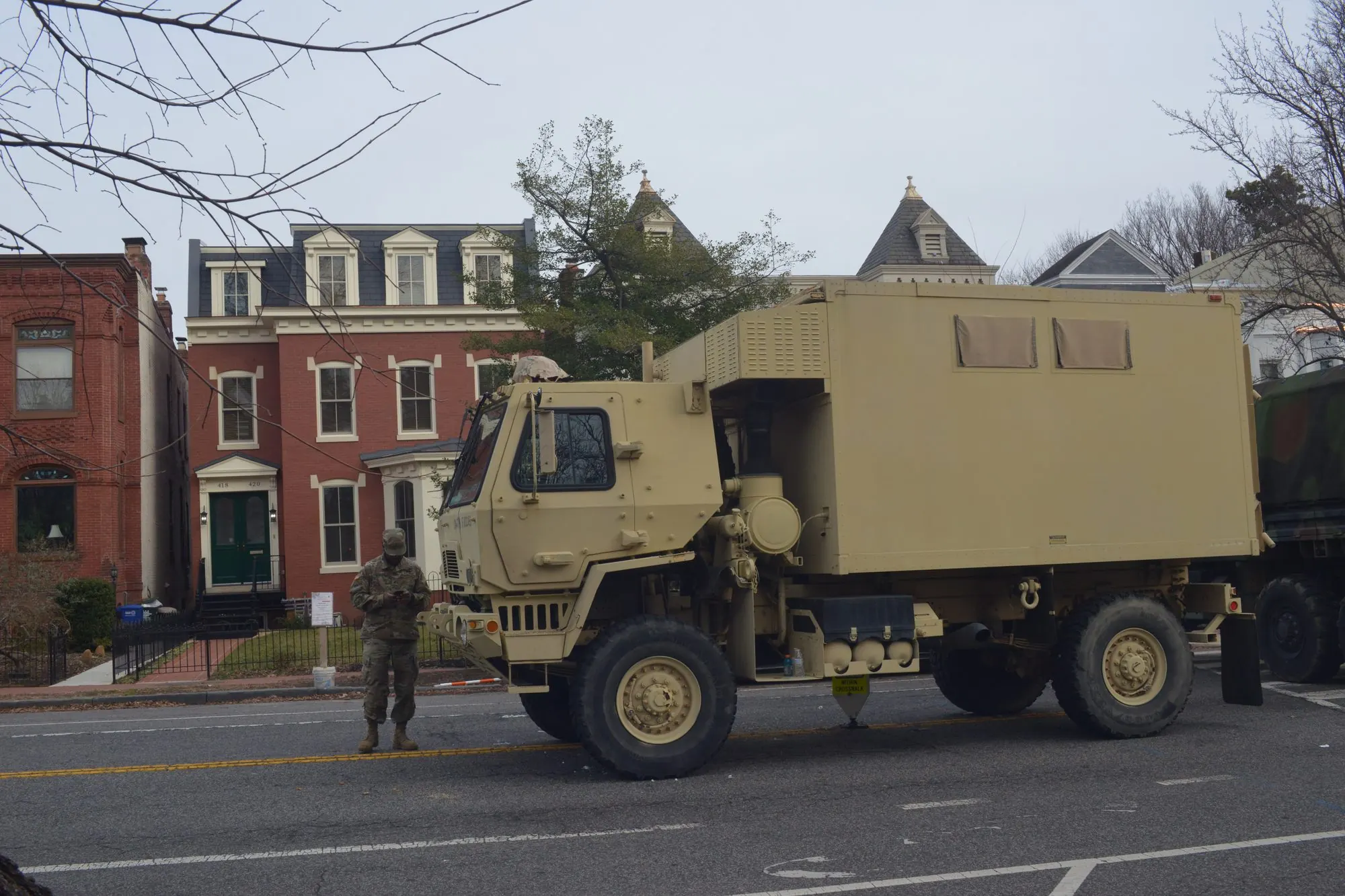
January 2021
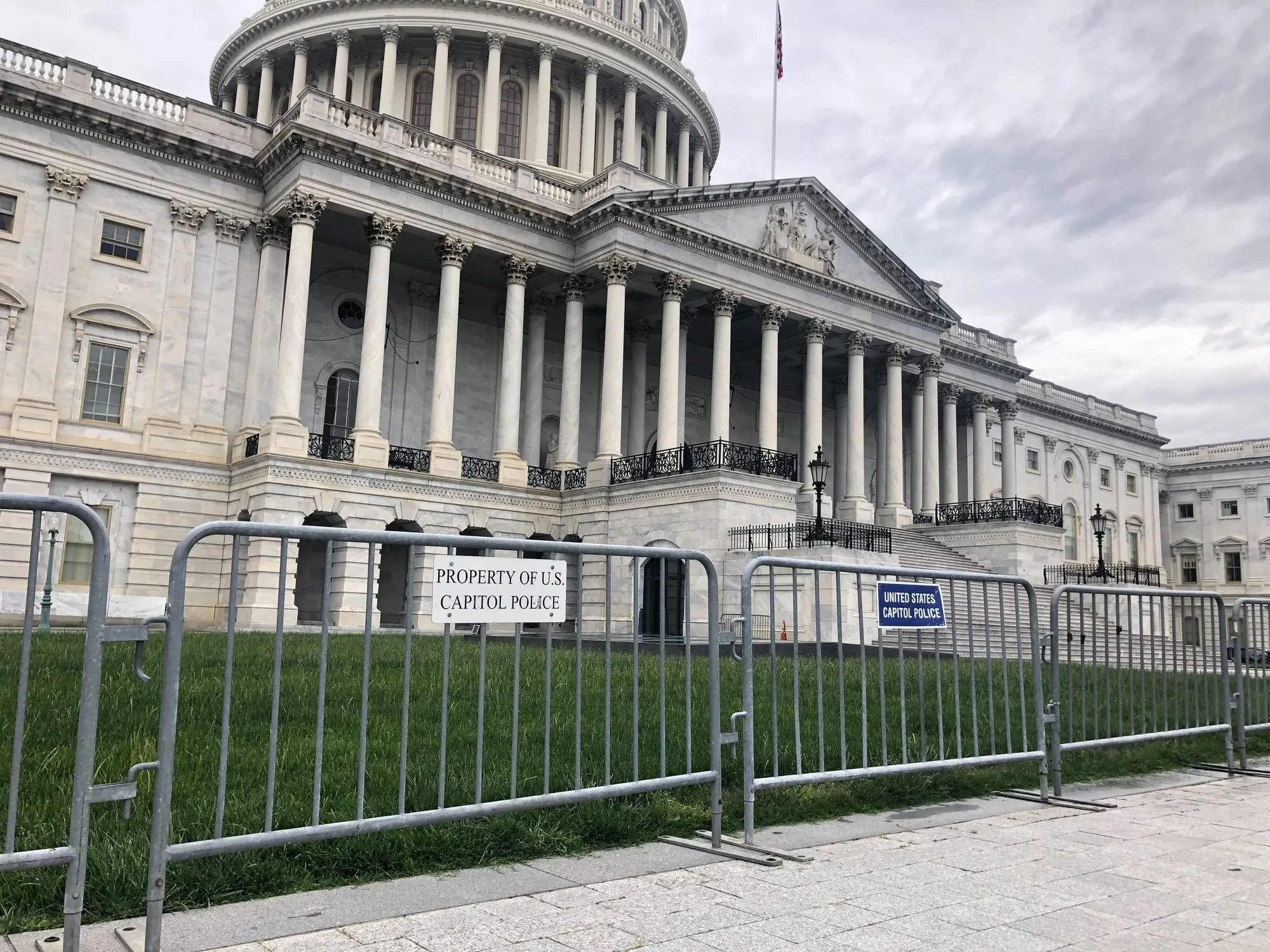
Barricades and military vehicles redrew familiar streets. On Capitol Hill, the machinery of government was suddenly at the front door.
“We often have a tendency to place a period where a comma should be.”
Steve Washington
The last question put to everyone in 2025 and 2026 was to finish a sentence.
2020 was…Anwar Saleem
unimaginable.
The second clock
In 2025 and 2026, the filmmakers went back. Some conversations are with the same people, five years on. Most are with voices they could not reach the first time—people who had been carrying the year alone.
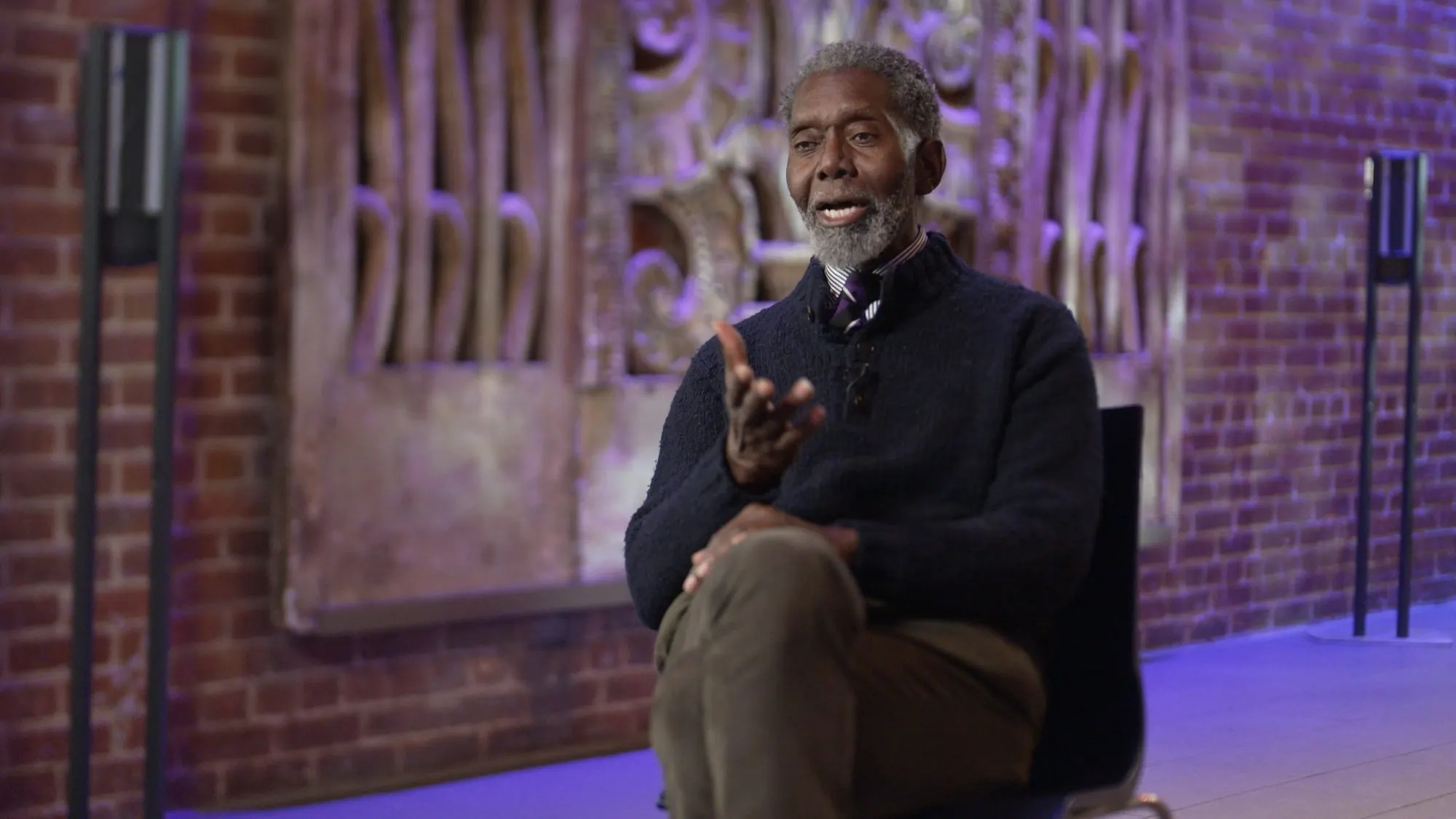
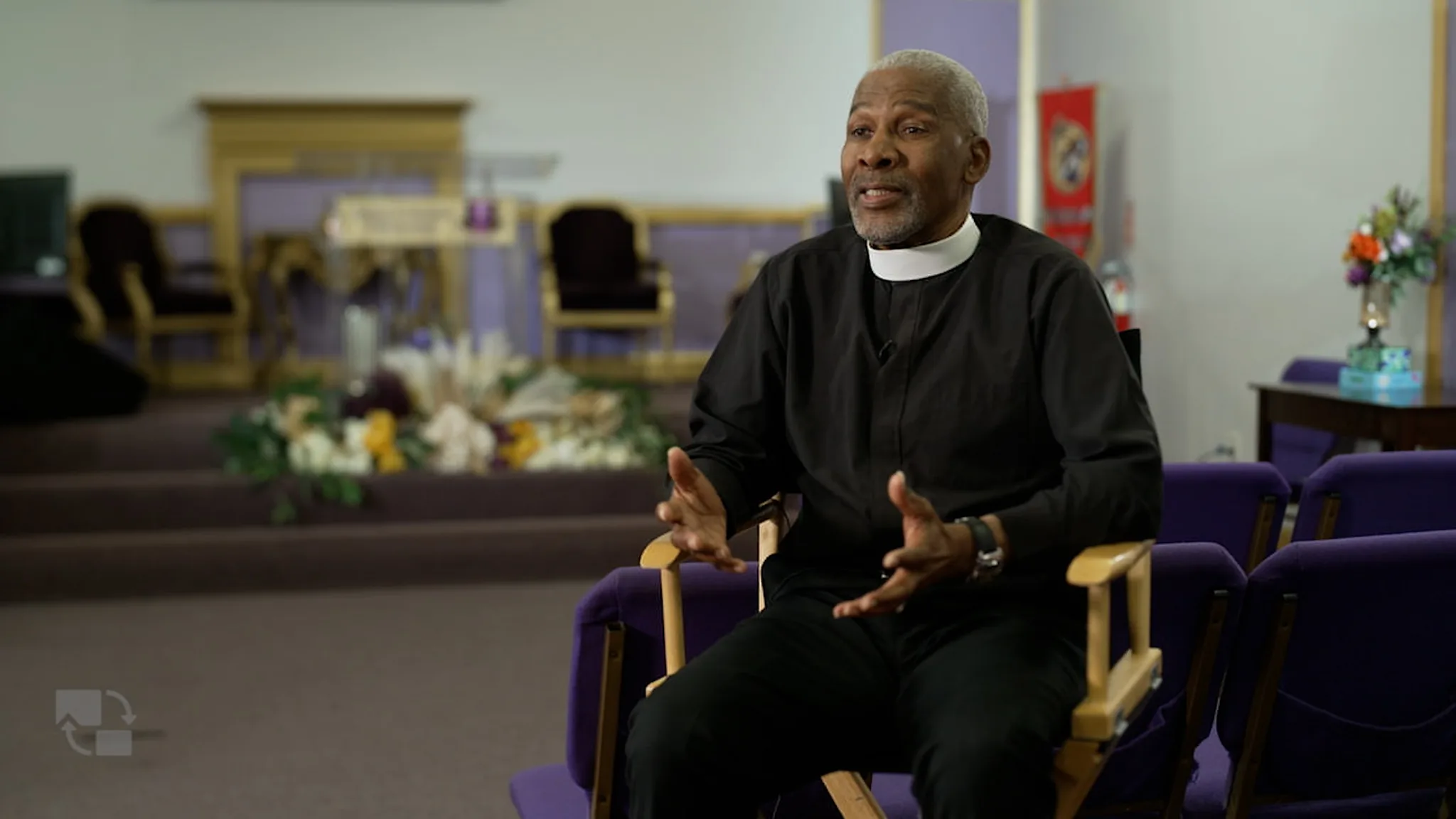
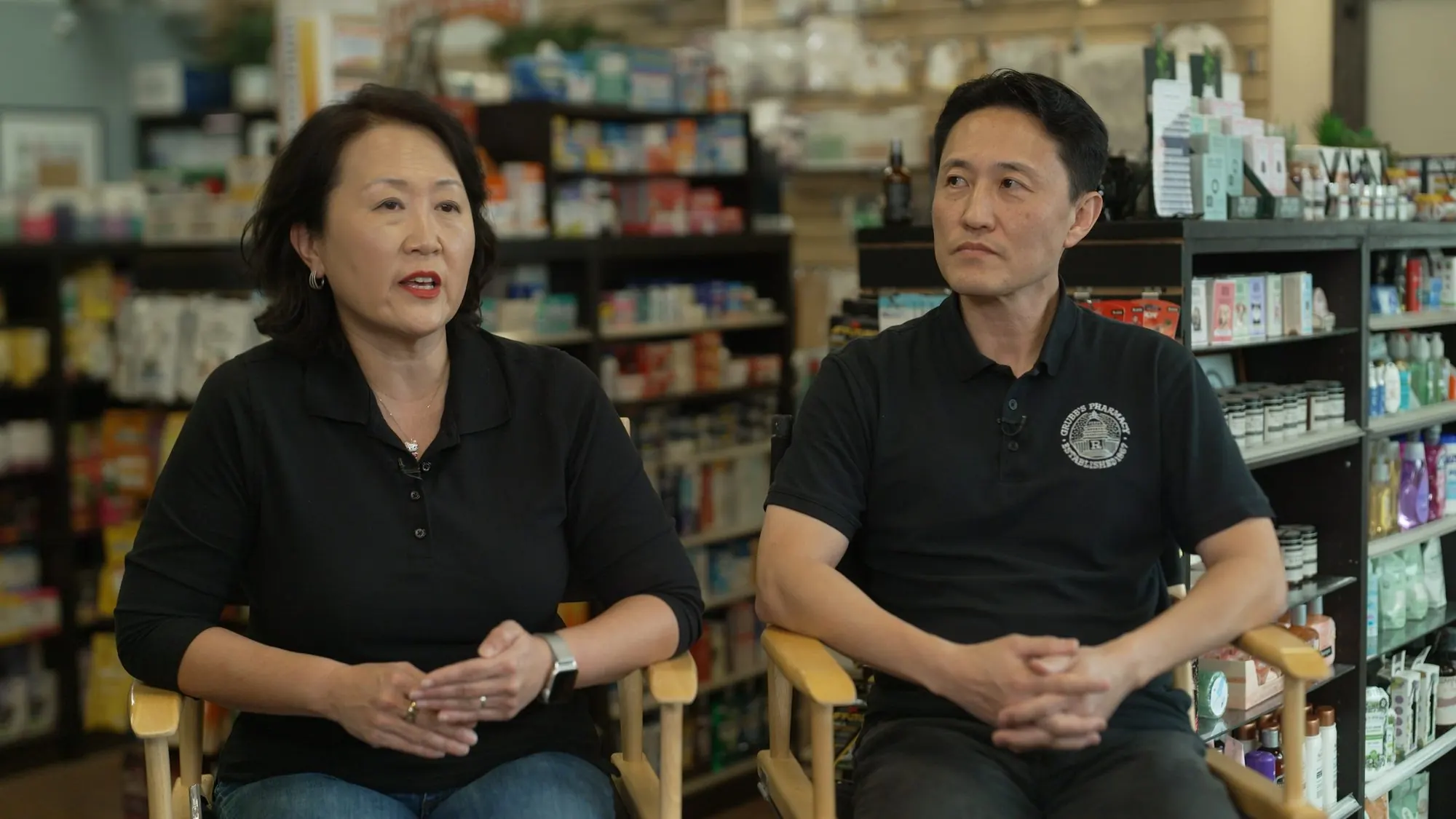
Five years of processing sit behind these sentences, and they still land like a punch.
Why this film
The documents of 2020 are scattered—social feeds, news clips, private memory. This archive is different: nearly fifty filmed testimonies captured as events were happening, from people who were not waiting to be found by history.
That archive does not exist anywhere else. This film is its only path out of a hard drive and into the world. The distance is right, too: far enough for perspective; close enough that the wounds are still legible on people’s faces.
Producer’s statement
“I did not set out to make a film. I set out to keep a record.”
— Eileen Cleary Dougherty, Producer
What I learned over that year is that a city does not experience a crisis; its neighborhoods do, separately, and then they compare notes years later and find they were living in different countries.
Anacostia residents were told to stay home. For many, that was never a choice they had. Capitol Hill watched democracy get fenced off from the sidewalk. H Street lost its businesses twice—once to the shutdown, once to the boarding-up.
I have made this film without narration on purpose. I am not the authority on this year. The people who lived it are. My job was to find them, earn their trust, and come back five years later to ask what they carry now.
Meet the filmmakersStatus & support
A production of Backstory Media and The Camera 1 Group.
Made possible with grants from HumanitiesDC, the DC Commission on the Arts and Humanities, and the Capitol Hill Community Foundation.
A call for stories
We are continuing to gather first-person stories from people who lived or worked in Washington, DC. If that year changed your family, neighborhood, work, faith, health, or sense of home, we would be honored to hear what stayed with you.